

This guide explains how rogue drones threaten critical infrastructure and why each type of site needs a different defense. It covers the specific risk profiles of airports, power plants, government installations, prisons, and public events, why detection alone isn’t enough without a way to act on it, and how AI-driven Counter-Unmanned Aircraft Systems (C-UAS) like Indrajaal protect each of these environments.
Critical infrastructure drone threats target a specific set of high-value sites, airports, power plants, government installations, prisons, and large public events, each with a distinct risk profile. Effective protection pairs reliable detection with a proportionate, sector-appropriate way to neutralize a threat, since a generic, one-size-fits-all setup rarely fits any single site’s actual failure mode.
Key takeaways
- Rogue drones now threaten a specific, well-defined set of critical infrastructure targets: airports, power plants, government installations, prisons, and large public events – each with a distinct threat pattern and risk profile.
- The FAA reported roughly 856,000 registered drones in the U.S. as of October 2026, and the global commercial drone market is projected to grow from $100.7 billion in 2026 to $210.3 billion by 2034 – meaning the volume of legitimate air traffic that security teams must screen against is also climbing sharply.
- Even without physical damage, an unauthorized drone incursion can trigger airport ground stops, evacuate stadiums, and cause significant economic loss – detection alone, without neutralization capability, isn’t a complete answer.
- Each infrastructure type has a different failure mode: airports need airspace-integration-safe mitigation, power plants need to prevent sabotage-triggered cascading outages, prisons need to stop contraband delivery, and public events need crowd-safe, non-kinetic response.
As drones revolutionize industries and reshape modern warfare, they also introduce new security challenges. This blog explores how rogue drones threaten critical infrastructure – from airports to power plants – and how advanced Counter-Unmanned Aircraft Systems (C-UAS) like Indrajaal™ are protecting the skies through AI-driven detection, tracking, and neutralization technologies.
Table of Contents
Introduction to the Drone Evolution
From using sticks and stones in war to the sophisticated deployment of drones at the touch of a button, the journey of human evolution has traversed remarkable distances. Drones have evolved rapidly over a relatively short period. The continuous innovation in drone technology has led to enhanced efficiency, increased functionalities, and expanded applications in various industries such as agriculture, photography, surveillance, and delivery services.
The commercial drone market is expected to hit $43.1 billion (Gitnux) this year. While drones have undeniably brought transformative changes once deemed unimaginable, it has also given rise to many security and safety challenges.
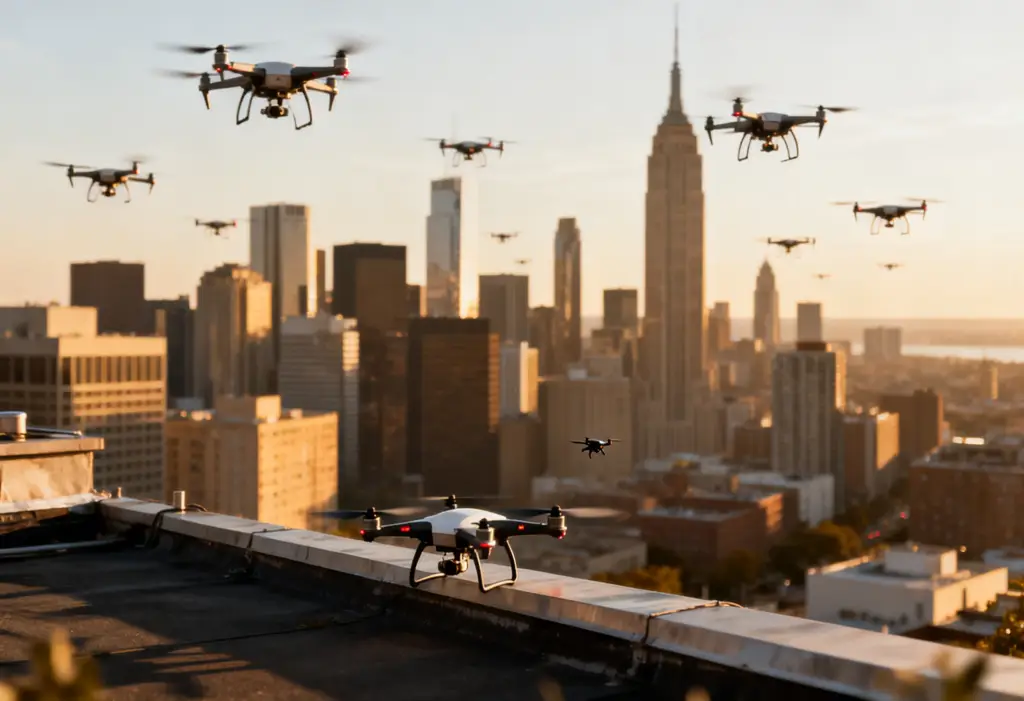
From Sticks and Stones to Autonomous Aircraft
Security threats have evolved continuously across human history — but few shifts have moved as fast as the last decade’s transformation of consumer drones into a genuine security concern. Continuous innovation in drone technology has driven enhanced efficiency and expanded applications across agriculture, photography, surveillance, and delivery services.
That same accessibility now cuts both ways. The global commercial drone market is projected to grow from roughly $100.7 billion in 2026 to $210.3 billion by 2034, and consumer-grade drones capable of carrying a meaningful payload are available from ordinary online retailers at low cost. The transformative upside of drone technology and its security downside are, at this point, the same story.
Decoding the Threat Landscape
Drones designed for recreational use and aerial photography have evolved into tools that can pose serious security threats. Their agility, accessibility, and affordability make them equally suited to legitimate and malicious purposes and their ability to reach previously unreachable vantage points raises real concerns for transportation hubs, communication networks, power plants, and other critical infrastructure.
The threat spectrum runs from surveillance and reconnaissance to disruption of operations, espionage, data theft, and in the most severe cases – targeted attacks. Even without physical damage, the mere presence of an unauthorized drone can cause economic loss, disrupt operations, trigger public panic, and create real safety risk.
For a deeper technical breakdown of how C-UAS detection and neutralization actually works, see: Counter Drone Systems: Comprehensive Guide [2026]
The Rise of Rogue Drones
The emergence and proliferation of unauthorized drones (rogue drones) present a growing concern for various industries and regulatory authorities worldwide. These unmanned aerial vehicles (UAVs) operate without proper authorization or adherence to safety protocols, posing significant risks to airspace security, public safety, and privacy. As the number of rogue drone incidents continues to increase, it underscores the urgent need for enhanced monitoring, detection, and mitigation strategies to effectively manage this evolving threat landscape.
Drones can silently carry out attacks or steal sensitive information, thanks to their size and movements, making detection a challenge. While today they are an integral part of military operations in most countries, the concept traces back to Austria’s use of explosive balloons in 1849. Although this form of attack does not meet today’s definition of drones, it marked the beginning of innovative thinking that drove drone development over the centuries.
In the next few years, we can expect the use of drones for commercial purposes, home deliveries, medical deliveries, and air taxis to increase. However, amidst this increasing drone traffic, the ability to identify a rogue drone within the bustling airspace will be a big challenge.
Potential Drone Targets and What Makes Each One Different
Understanding the diverse spectrum of drone targets is crucial for devising effective countermeasures:
Government Installations
These are prime targets for drone threats due to their critical nature. Drones could be exploited for espionage, reconnaissance, or even carrying payloads that pose security risks. Protecting these facilities requires counter drone systems to detect, track, and neutralize unauthorized UAVs.
Public Events and Gatherings
Drones could be used for unauthorized surveillance, spreading panic, or even carrying out malicious attacks. Implementing counter-drone measures at such events is essential to ensure the safety and security of attendees.
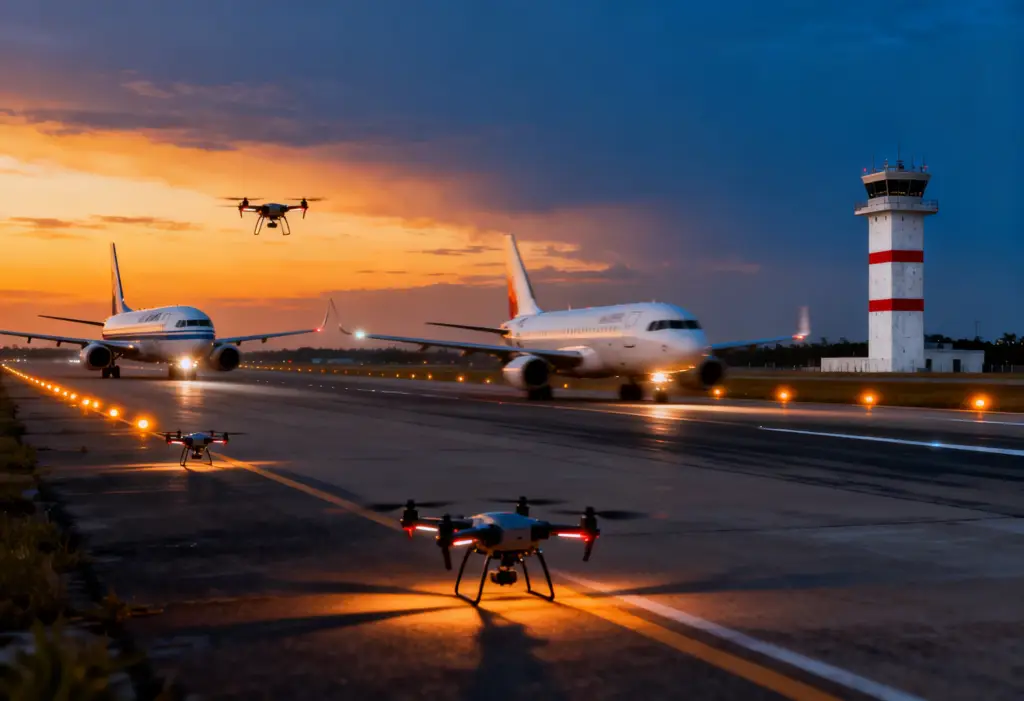
Airports
Unauthorized drone flights near airports can disrupt air traffic, leading to safety hazards and economic losses. Counter drone technologies play a crucial role in safeguarding airspace around airports, detecting and mitigating potential threats promptly.
Power Plants
Power plants are increasingly being targeted in malicious attacks, and the consequences range from localized disruptions to a widespread blackout. A successful drone attack on a power plant could lead to equipment damage, fires, or even sabotage, resulting in service interruptions and economic losses. It can also have cascading effects on other infrastructures, such as transportation, communication networks, and healthcare facilities.
Prisons
Correctional facilities face unique challenges from drones attempting to deliver contraband or aid in escape attempts. Smuggling of illegal substances, weapons, or communication devices by drones can compromise the security of correctional facilities. Deploying counter-drone systems is vital to prevent such illicit activities and enhance prison security.
Just this month, Ukraine pounded targets in Russia with dozens of drones and rockets in an attack that inflicted serious damage on a major oil refinery. Other incidents, such as drone sightings near sensitive military installations, over the residence of India’s Prime Minister Modi, and temporary shutdowns of airports due to drone intrusions, highlight the critical need for robust counter-drone measures.
It’s a matter of concern that today, you can get a drone with a basic search on Amazon!
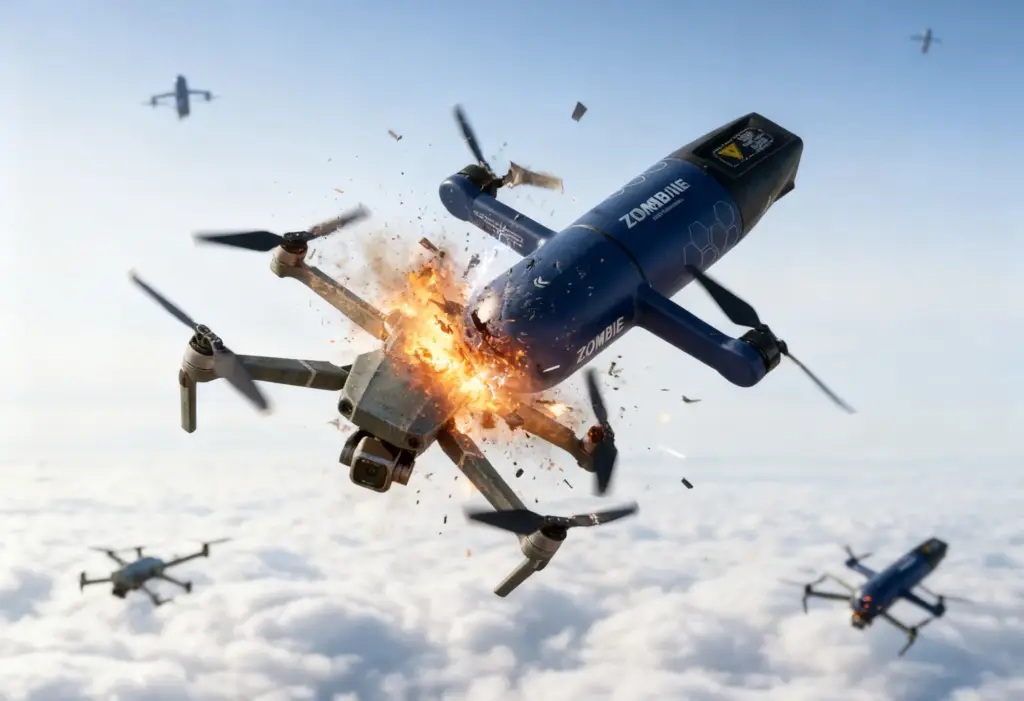
Why Detection Alone Isn’t Enough
Counter-UAS adoption, originally driven almost entirely by defense organizations, is now spreading across global critical infrastructure, a proactive response to a growing threat category rather than a reactive one.
Modern C-UAS platforms combine radar, RF sensors, and analytical software to detect and identify unauthorized drones quickly. Once identified, response options range from signal jamming and communication disruption to more advanced interception or neutralization. (For the full technical breakdown of how these detection and mitigation layers work together, see the pillar guide linked above.)
What matters most for infrastructure operators: the absence of a dedicated C-UAS solution leaves intrusions unchecked and often unnoticed until there’s a direct incident. Not every unauthorized drone signals malicious intent — but without a monitoring system in place, there’s no way to tell the difference until it’s too late to matter.
Securing the skies with Indrajaal™
Indrajaal™ is built as an AI-driven, autonomous “Iron Dome” for drones — detecting, identifying, tracking, and neutralizing threats across diverse terrains from a single command architecture. The platform is designed for integration with existing weapons, vehicles, and personnel, and for seamless compatibility with both military and civilian systems already in place at a given site — a meaningful advantage for infrastructure operators who can’t afford to rip out and replace existing security investments to add drone defense.
Ready to safeguard your critical infrastructure? Schedule a call with Indrajaal’s team to assess your specific site’s drone risk profile.
Frequently Asked Questions
What critical infrastructure is most at risk from drone threats?
Airports, power plants, government installations, prisons, and large public events are the most commonly targeted categories, each with a distinct threat pattern — from airspace disruption at airports to contraband smuggling at prisons.
Can a drone really shut down an airport?
Yes — unauthorized drone sightings near runways have grounded air traffic at major airports for hours in past incidents, since aviation authorities generally halt operations rather than risk a collision.
How do power plants protect against drone attacks?
Power facilities typically deploy layered C-UAS detection (radar, RF, and camera-based monitoring) combined with rapid, non-kinetic mitigation, since even a localized incident can cascade into wider outages affecting transportation, communications, and healthcare systems that depend on that power supply.
Why are prisons a drone security concern?
Drones are increasingly used to deliver contraband — weapons, phones, or drugs — over prison perimeters, or to support escape attempts. This is a persistent smuggling risk that traditional perimeter fencing and patrols weren’t designed to stop.
Is detecting a drone enough to stop a threat?
No — detection without a mitigation capability (jamming, spoofing, or interception) only tells you a drone is present; it doesn’t stop the drone from completing its mission. Effective C-UAS deployments always pair detection with a neutralization option.
Conclusion
Critical infrastructure protection against drone threats isn’t a single, generic problem, it’s a set of related but distinct challenges, each shaped by the specific asset being defended. Airports need airspace-safe mitigation, power plants need cascading-failure prevention, prisons need smuggling interdiction, and public events need crowd-safe response. What ties them together is the same underlying requirement: reliable detection paired with a proportionate, effective way to act on what’s detected.
Organizations that treat drone defense as sector-specific, rather than deploying the same generic setup everywhere – are the ones building protection that actually holds up against the threat their specific site faces.