

A radar system designed to track fighter jets is built around large, fast-moving targets. A small drone flying 50 metres above the ground presents a very different challenge.
It is smaller, slower, harder to distinguish from background activity, and capable of changing its behaviour rapidly. That blind spot has become one of the defining challenges in modern airspace security.
Drones have moved far beyond their original commercial applications. They are now used for surveillance, smuggling, reconnaissance and attacks on military and civilian infrastructure.As drones become cheaper, more autonomous and easier to deploy at scale, conventional air defence and CUAS (counter-unmanned aerial systems) strategies are being forced to adapt.
This is where artificial intelligence is becoming increasingly important. The role of modern AI-powered anti-drone systems is not simply to detect a drone. It is to help security systems make sense of a complex airspace, identify what matters and support a response within the few seconds available.
Table of contents
Why Traditional Defence is No Longer Enough
The challenge is no longer simply spotting an aircraft in the sky. Each scenario requires a different response:
- Military Installations: May face a reconnaissance drone approaching from one direction while several other platforms act as decoys.
- Airports: Must distinguish a genuine security threat from an unauthorised commercial drone.
- Border Security: May be dealing with drones carrying weapons or narcotics.
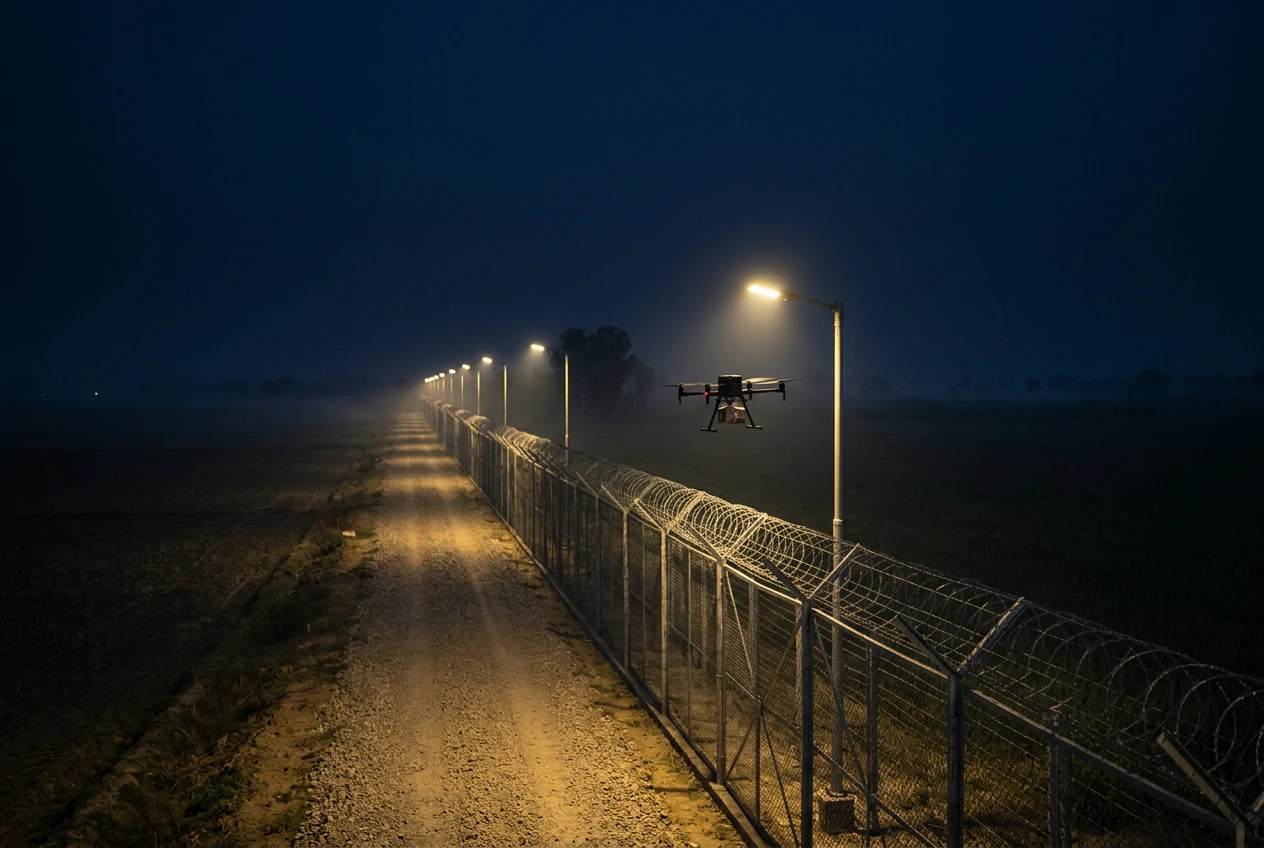
Traditional radar remains valuable for tracking movement and distance. However, small drones can have a very low radar cross-section and often operate at altitudes where terrain and urban structures create additional challenges.
This is why modern counter-drone systems increasingly combine multiple technologies:
- Radar: Establishes movement and range.
- RF Sensors: Identify communications between a drone and its operator.
- Electro-optical and Thermal Cameras: Provide visual confirmation.
- Acoustic Sensors: Add another layer of identification.
The core challenge is bringing all of this information together quickly enough to matter.
Where AI Changes the Equation
For an operator, receiving four different streams of sensor information creates a difficult decision-making problem. AI can bring these inputs together into a single operational picture.
Instead of treating every sensor alert independently, the system can correlate information across them and determine whether an object is likely to be a drone, a bird or another source of interference. It can then assess factors such as trajectory, speed, location and proximity to a protected asset.
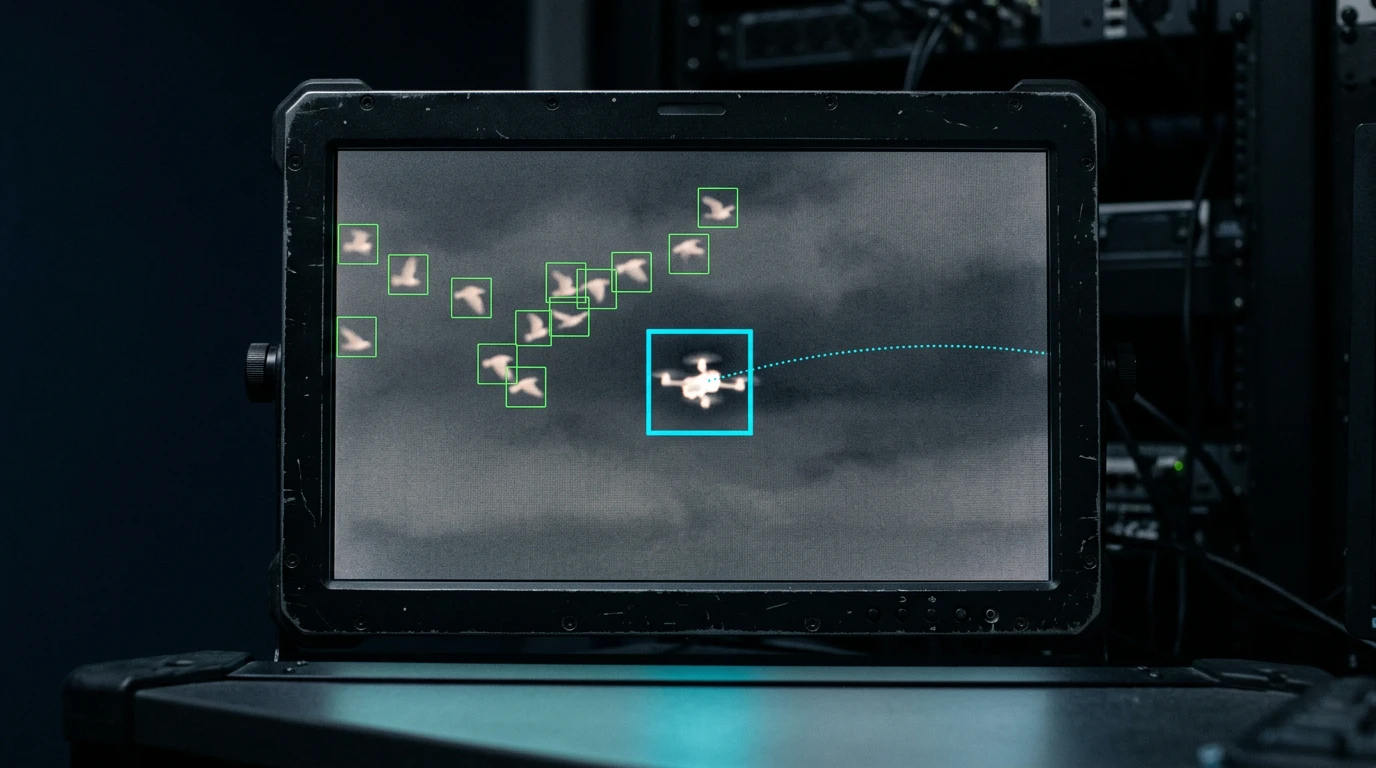
This becomes particularly important when multiple drones appear simultaneously.
A swarm is not simply ten individual targets. The platforms may be coordinated, some may act as decoys and one may present the primary threat. A system that evaluates every target independently can quickly become overwhelmed.
AI-enabled systems can track multiple objects simultaneously, identify patterns and help prioritise the threat that requires the fastest response.
From Detection to Response
Detection is only the first step. Once a threat has been identified, the system needs to determine what action is appropriate.
Counter-drone responses can include:
- RF jamming
- GNSS spoofing
- Cyber takeover
- Kinetic interception
The appropriate response depends heavily on the environment and the nature of the threat. A response that may be suitable over an isolated border area could carry unacceptable risks near an airport, public venue or densely populated city.
This is where an intelligent command layer becomes critical. It can assess the threat, consider the available response options and help select a proportionate countermeasure.
At Indrajaal, this principle is built into SkyOS™, which brings sensor inputs and response mechanisms together through a unified command architecture. The objective is to advance counter drone technology beyond isolated detection and response tools toward an integrated system capable of managing the entire engagement chain.
The Human Role Still Matters
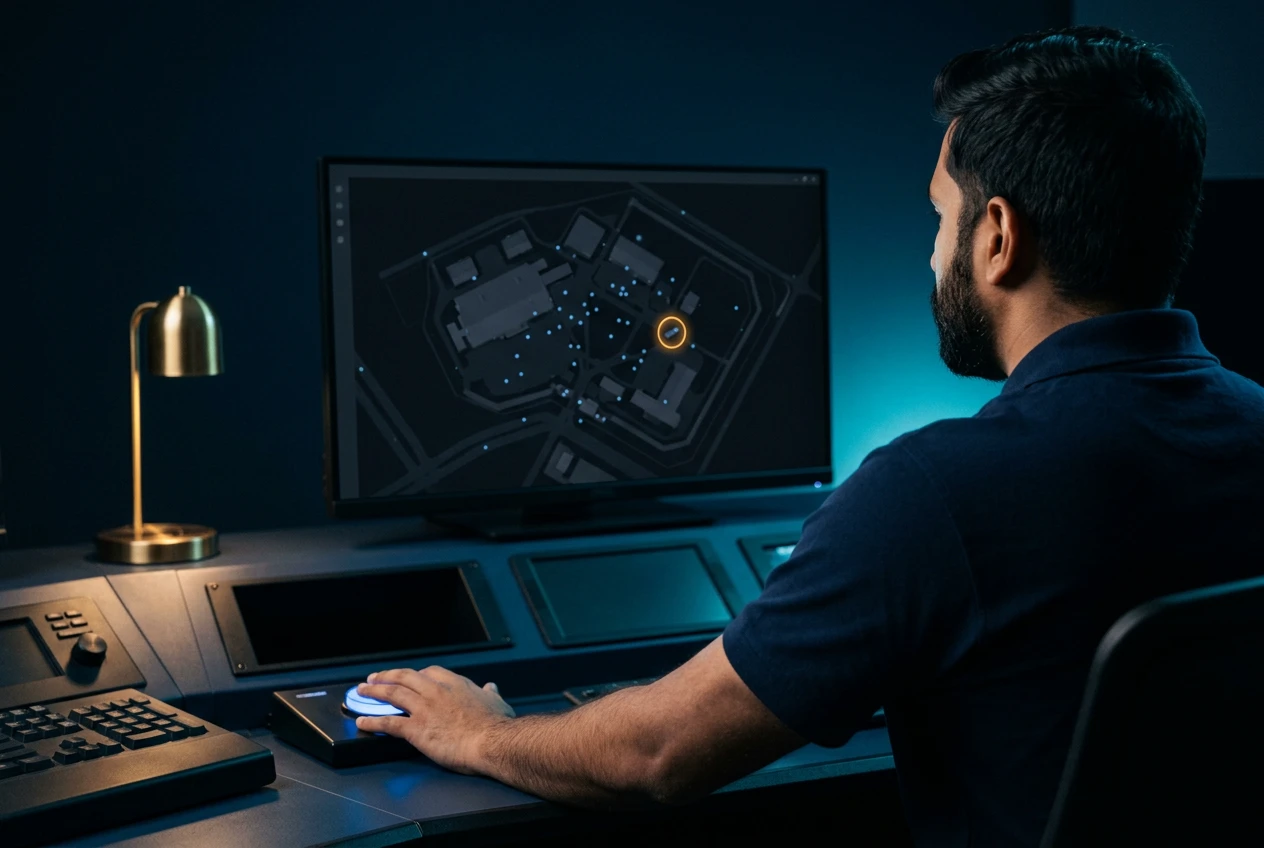
Greater automation does not mean removing people from the equation. In a high-tempo airspace environment, the value of AI lies partly in reducing the amount of routine information an operator has to process. A system can manage continuous monitoring, correlate sensor feeds and flag the threats that require attention, allowing human operators to focus on decisions that genuinely require judgement.
This becomes increasingly important as the number of simultaneous targets increases. A system capable of managing dozens of objects in the airspace can provide a level of scale that manual monitoring cannot match. It can also reduce the fatigue and desensitisation that come with repeated false alarms.
Building the Next Generation of Airspace Security
The small drone that once slipped beneath the detection envelope of conventional air defence has made robust CUAS deployment essential, driving the adoption of next-generation AI-powered anti-drone systems. Closing that gap will require more than better individual sensors. It will require systems capable of bringing detection, classification, decision-making and response together at operational speed.
That is the direction in which counter-drone technology is moving, from isolated tools towards intelligent, integrated airspace security ecosystems.
The future of counter-drone defence will belong to systems that can see more, understand faster and respond intelligently.
Frequently Asked Questions (FAQs)
AI enables anti-drone systems to fuse data from radar, RF, cameras and acoustic sensors, helping identify threats, reduce false alarms and make faster decisions.
AI can track multiple drones simultaneously, correlate their behaviour and prioritise the most significant threat, helping defence systems respond effectively to coordinated attacks and decoys.
AI can automate detection, classification and response selection, but the article highlights the importance of determining where human oversight should remain in the decision-making loop.